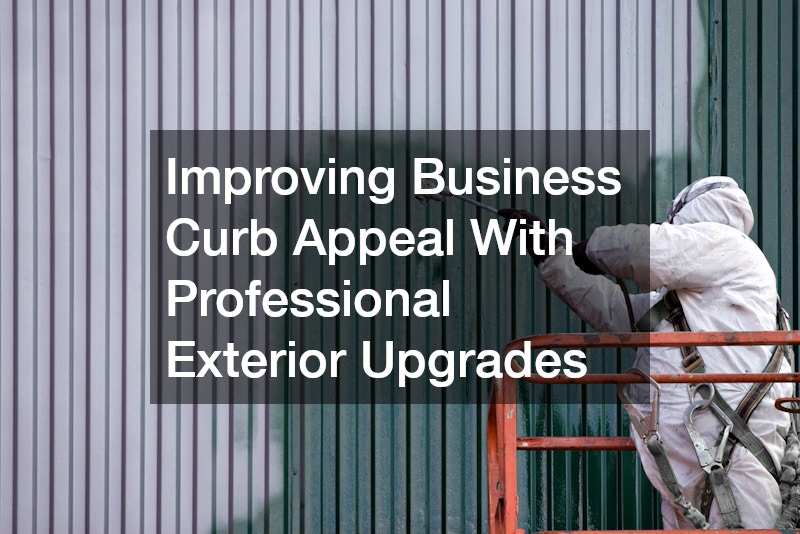
A business’s exterior is often the first and most influential touchpoint for customers, clients, and partners. Before anyone steps inside, they are already forming judgments about professionalism, quality, and trust based on what they see from the parking lot, sidewalk, or street. A well-maintained, thoughtfully designed exterior signals stability and credibility, while a neglected one can discourage engagement regardless of the quality of products or services offered inside.
Improving curb appeal is not just about aesthetics—it directly influences customer behavior, brand perception, and even revenue potential. Strategic exterior upgrades help businesses stand out in competitive environments, attract more foot traffic, and create a welcoming experience that begins long before entry. The most effective improvements combine structural integrity, visual design, safety, and landscaping into a cohesive presentation.
This article explores actionable, high-impact exterior upgrades that transform commercial properties into visually compelling, functional, and customer-friendly environments.
1. Evaluating Your Property’s Overall Exterior Condition
Before investing in upgrades, businesses should conduct a thorough assessment of their property’s current condition. This step helps identify not only cosmetic issues but also structural concerns that may affect safety, efficiency, or long-term maintenance costs.
Key areas to evaluate include building facade condition, roof visibility, signage clarity, pavement quality, lighting, and landscaping consistency. Each of these elements contributes to how customers perceive the business from a distance and up close.
A structured evaluation should include:
- Walking the entire perimeter to view the property from multiple angles
- Assessing paint fading, cracks, stains, or visible wear
- Checking accessibility points such as entrances and walkways
- Reviewing traffic flow in parking and loading areas
- Identifying outdated or inconsistent branding elements
This assessment provides a foundation for prioritizing upgrades based on urgency, budget, and visual impact. It also helps ensure that improvements work together rather than in isolation.
2. Strengthening Building Rooflines for Visual and Structural Impact
The roof is one of the most overlooked but visually dominant elements of any commercial building. A deteriorating roof can negatively affect customer perception even if the rest of the property is well-maintained. In addition to appearance, roof condition plays a critical role in protecting the building from weather damage and energy loss.
Working with local commercial roofing professionals ensures that inspections and repairs are tailored to regional weather conditions and building codes. Regular maintenance helps extend roof lifespan while maintaining a clean, professional appearance.
Important considerations for roof improvement include:
- Identifying visible sagging, discoloration, or material wear
- Ensuring drainage systems are functioning properly
- Repairing or replacing damaged flashing and seals
- Selecting materials that complement the building’s architectural style
A well-maintained roof communicates reliability and reduces the risk of unexpected structural issues that could disrupt business operations.
3. Enhancing Exterior Surfaces With Strategic Color and Finish Updates
Exterior paint is one of the most cost-effective ways to dramatically improve curb appeal. Fresh, professionally applied coatings can transform outdated buildings into modern, visually appealing spaces that attract attention and reinforce branding.
Commercial painting companies play a key role in ensuring durability and consistency, especially for large-scale properties exposed to weather and pollution. Proper surface preparation is essential for long-lasting results.
Key strategies include:
- Choosing colors that align with brand identity and industry expectations
- Using weather-resistant coatings designed for commercial environments
- Repairing cracks and surface imperfections before painting
- Coordinating work schedules to minimize operational disruption
Color psychology also plays an important role. Neutral tones can convey professionalism and stability, while bold accents can highlight entrances or branding elements.
4. Designing Green Spaces That Improve Customer Experience
Landscaping is a powerful tool for shaping first impressions and creating a welcoming environment. Well-designed outdoor spaces guide visitor movement, soften architectural lines, and improve overall aesthetic appeal.
A commercial landscaper ensures that maintenance and seasonal upkeep are handled efficiently, while a landscape designer focuses on layout, plant selection, and long-term visual planning.
Effective landscaping improvements include:
- Creating defined pathways that guide customer flow
- Using native plants for lower maintenance and sustainability
- Incorporating seasonal color changes for year-round appeal
- Installing mulch, edging, and ground cover for a clean presentation
Collaboration between design and maintenance professionals ensures that landscapes remain attractive and functional year-round.
5. Adding Decorative and Structural Metal Features for Modern Appeal
Metal elements can significantly enhance both the aesthetic and structural character of a commercial property. Ornamental metals are often used to create architectural focal points that reinforce branding while adding durability.
Applications include decorative railings, facade accents, entryway structures, and signage frames. These features provide a sense of craftsmanship and permanence, elevating a building’s overall appearance.
Key benefits include:
- Long-lasting durability in outdoor environments
- Custom design flexibility for branding integration
- Low maintenance compared to wood or other materials
- Ability to combine functionality with artistic design
When used thoughtfully, metal accents can transform a plain exterior into a distinctive and memorable visual experience.
6. Improving Parking Lot Organization and Visual Flow
Parking areas are often the first physical interaction customers have with a business, making their condition extremely important for curb appeal and safety. Clear organization improves traffic flow, reduces confusion, and enhances accessibility.
Parking lot line striping ensures that vehicles are properly guided and spaced, improving both safety and efficiency. Over time, fading markings can create disorganization and reduce usable space.
Best practices include:
- Re-striping faded markings on a regular schedule
- Ensuring ADA compliance for accessible parking spaces
- Clearly defining directional arrows and pedestrian zones
- Aligning parking layout with customer traffic patterns
Well-maintained parking lot lines also contribute to a cleaner, more professional appearance that reflects positively on the business.
7. Restoring and Maintaining Asphalt Surfaces for Professional Appearance
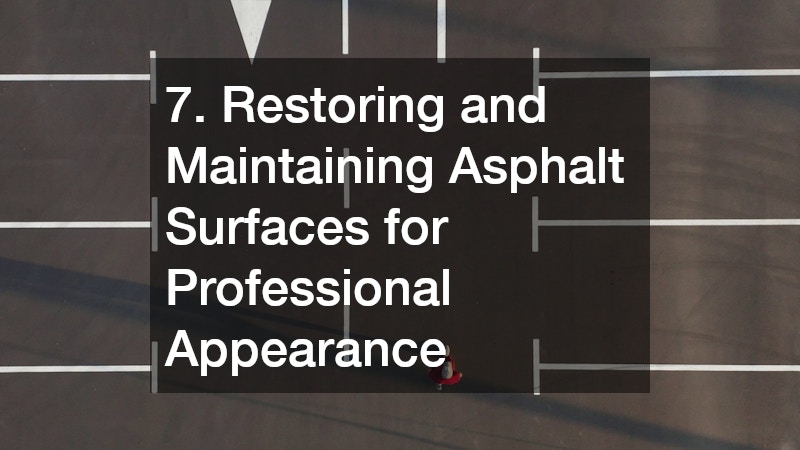
The condition of paved surfaces has a major impact on both safety and visual appeal. Cracked, uneven, or faded asphalt can create hazards and detract from an otherwise well-maintained property.
Professional asphalt paving services can address structural issues while improving surface smoothness and appearance. Depending on the condition, businesses may choose between resurfacing and full replacement.
Key considerations:
- Identifying potholes, cracks, and drainage issues early
- Using sealcoating to extend surface lifespan
- Ensuring proper grading for water runoff
- Scheduling maintenance during low-traffic periods
A smooth, well-maintained surface improves accessibility for vehicles and pedestrians while reinforcing a professional image. Regular maintenance not only enhances safety but also prolongs the lifespan of the infrastructure. Investing in high-quality surfaces can increase foot traffic and create a positive first impression for visitors and clients alike.
8. Maintaining Clean and Consistent Grounds for Daily Appeal
Routine maintenance is essential to keeping commercial properties visually appealing year-round. Overgrown grass, weeds, and untrimmed edges can quickly undermine even the most well-designed exterior.
Local lawn care services help ensure consistency and reliability in ongoing maintenance efforts. Regular upkeep prevents small issues from becoming larger, more expensive problems.
Key maintenance practices include:
- Scheduled mowing and edging for clean lines
- Weed control and fertilization programs
- Seasonal cleanup of leaves and debris
- Irrigation system monitoring and adjustment
Consistent lawn care reinforces professionalism and signals attention to detail. A well-maintained lawn not only enhances a property’s aesthetic appeal but also creates a welcoming environment for visitors and clients. It demonstrates a commitment to quality and can significantly increase the property’s overall value.
9. Incorporating Custom Metal Elements for Branding and Functionality
Custom metal features allow businesses to integrate branding and functionality directly into their exterior design. Commercial metal fabrications can include everything from signage structures to decorative architectural components.
These custom elements provide durability while offering unique design opportunities that set a business apart from competitors.
Common applications include:
- Custom entry signage structures
- Architectural accent panels and screens
- Functional barriers and safety features
- Branded exterior installations
Benefits of custom fabrication include:
- High durability in all weather conditions
- Strong alignment with brand identity
- Low long-term maintenance requirements
- Ability to create unique, recognizable visual elements
When thoughtfully designed, metal fabrications become both functional infrastructure and brand-defining features. They not only enhance the aesthetic appeal of a space but also contribute to the durability and efficiency of structures. By integrating innovative designs, companies can create a unique identity that resonates with their values and mission. Such elements can transform ordinary environments into memorable experiences for clients and customers alike.
10. Creating a Unified Exterior Improvement Strategy
A successful curb appeal transformation requires coordination across all exterior elements rather than isolated upgrades. When improvements are handled in silos, even high-quality work can feel disconnected, creating a fragmented visual experience that weakens brand identity. For example, a newly renovated facade can lose impact if the surrounding pavement is deteriorating or if landscaping appears unmaintained. True curb appeal comes from alignment—where roofing, landscaping, pavement, signage, and architectural features all contribute to a single, intentional visual message that reflects the business’s professionalism and values.
Businesses should focus on establishing a unified design theme across all upgrades before any physical work begins. This means defining a clear visual direction that guides every decision, from material selection to color palettes and architectural accents. A strong design theme helps eliminate inconsistencies that often occur when multiple vendors or contractors work independently. It also ensures that future upgrades remain compatible with the original vision, preventing costly redesigns later.
Coordinating contractors and project timelines efficiently is another critical factor in achieving cohesion. Exterior upgrades often involve multiple specialized professionals working in overlapping phases, and without proper scheduling, projects can interfere with one another or lead to delays. A structured timeline should prioritize sequencing—such as completing structural or surface work before aesthetic enhancements—so that each phase builds logically on the previous one. Regular communication between contractors helps prevent misalignment and ensures that installation standards remain consistent across all components.
Prioritizing upgrades based on impact and urgency allows businesses to allocate resources more effectively. Not all exterior issues carry the same level of importance, and addressing high-visibility or safety-related concerns first often yields the greatest immediate benefit. For example, repairing damaged pavement or updating signage may have a more immediate effect on customer perception than smaller decorative enhancements. By identifying which improvements most directly influence visibility, safety, and brand representation, businesses can create a phased plan that delivers noticeable results early while continuing to improve over time.
Ensuring color, material, and style consistency is essential for creating a unified aesthetic experience. Disconnected design choices—such as mismatched finishes, clashing colors, or inconsistent materials—can make a property appear disorganized even if each individual upgrade is high quality. Maintaining consistency does not mean limiting creativity; rather, it involves working within a defined framework that ensures all elements complement one another. This includes aligning exterior paint tones with signage materials, coordinating landscaping features with architectural accents, and ensuring that all visible surfaces reflect the same design intent.
Budget planning is also essential to maintain momentum without sacrificing quality. Large-scale exterior transformations can be financially demanding, and attempting to complete everything at once may lead to unnecessary strain or rushed decisions. Phased improvements allow businesses to spread costs over time while still achieving meaningful progress. A well-structured budget plan should also account for contingency funds, as unexpected repairs or adjustments often arise during renovation projects.
In addition, regular maintenance schedules should be integrated into long-term planning to preserve investment value. Even the most carefully executed upgrades will deteriorate without consistent upkeep, and neglect can quickly erode the benefits of earlier improvements. Establishing routine inspections and maintenance cycles ensures that all exterior elements continue to function and appear as intended. This long-term approach not only protects the initial investment but also reduces the likelihood of major repairs or redesigns in the future.
A cohesive strategy ensures that every exterior element works together to create a strong, memorable first impression that reinforces trust, professionalism, and long-term brand recognition.
Conclusion
Improving commercial curb appeal is a strategic investment that influences how customers perceive a business before they ever walk through the door. Thoughtful exterior upgrades enhance visual appeal, improve safety, and strengthen brand identity across every touchpoint, from parking areas to building facades.
When businesses take a coordinated approach—combining structural improvements, landscaping, surface refinishing, and custom design elements—they create environments that communicate professionalism and reliability at a glance. Over time, these improvements not only attract more customers but also support long-term property value and operational efficiency.