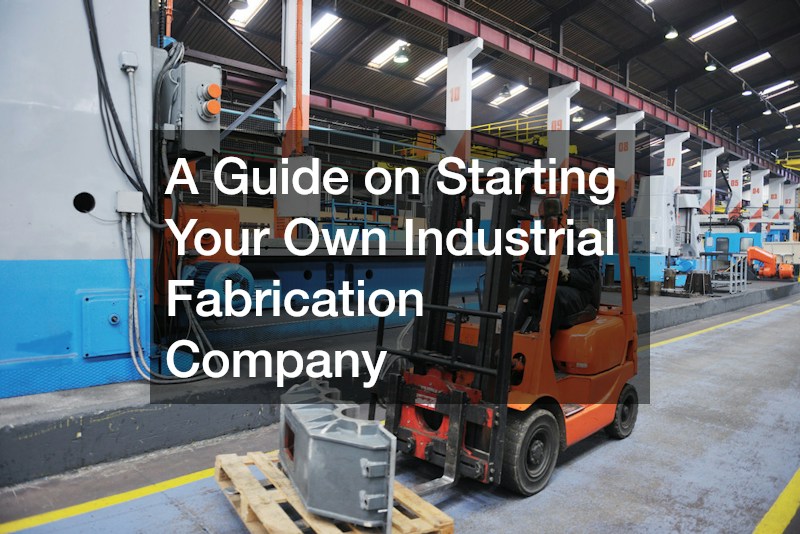
Launching an industrial fabrication business requires substantial capital, technical mastery, and operational foresight. As supply chains localize and domestic manufacturing expands, independent shops capable of delivering high-precision custom components are in strong demand. However, transitioning from a skilled tradesperson or engineer to a business owner requires building a repeatable, compliant, and profitable operation from the ground up. This guide walks through the foundational steps necessary to establish, equip, and scale a modern industrial enterprise.
Developing a Strategic Business Plan and Market Niche

Before purchasing heavy machinery or leasing a warehouse, you must define what your company will build and who will buy it. The industrial sector is vast, and attempting to serve every market from day one often leads to overextended capital and thin profit margins.
Identify High-Demand Local Industries
Conduct thorough market research within a 150-mile radius of your intended facility to pinpoint underserved manufacturing, agricultural, or construction segments. Speaking directly with procurement managers at regional plants reveals bottlenecks in their current vendor networks, such as slow turnaround times or minimum order quantities that larger competitors enforce.
- Original Equipment Manufacturers (OEMs): Many mid-sized OEMs outsource sub-assemblies, brackets, and chassis frames to keep their internal floor space focused on final assembly.
- Logistics and Warehousing: Rapid e-commerce growth drives continuous demand for custom racking, guardrails, and material handling infrastructure like a gravity conveyor system.
- Commercial Construction: Local builders frequently need structural steel components, architectural stairs, and specialized enclosure frames delivered on tight schedules.
Define Your Core Service Offerings
Once you understand local demand, establish a focused catalog of capabilities that match your starting budget and technical expertise. Offering a specialized consulting service during the design phase can differentiate your shop from competitors who only work from finalized blueprints, allowing you to charge higher margins for value-added engineering.
- Custom Job Shop Work: Low-volume, high-mix prototyping and custom parts built to exact client specifications.
- Contract Production: Recurring, medium-to-high-volume runs of standardized components under multi-year supply agreements.
- Field Installation and Repair: On-site structural reinforcement, equipment retrofitting, and emergency breakdown maintenance for local factories.
Project Startup Costs and Secure Financing
Industrial enterprises are capital-intensive, requiring detailed financial modeling to survive the lengthy sales cycles common in B2B manufacturing. Your financial projections should account for at least twelve months of operating overhead before expecting consistent positive cash flow.
- Capital Expenditures: Itemize the purchase or lease costs of primary machinery, overhead cranes, forklifts, and exhaust ventilation systems.
- Working Capital: Reserve liquid cash to purchase raw steel, aluminum, and stainless stock upfront, as material suppliers often require immediate payment while commercial clients demand net-30 or net-60 terms.
- Funding Sources: Combine personal equity with Small Business Administration (SBA) 7(a) loans, equipment financing lines, and state-level manufacturing development grants.
Navigating Legal Structures, Licensing, and Insurance

Operating an industrial facility carries inherent regulatory and liability exposures. Establishing the proper legal and risk-management framework early protects your personal assets and qualifies your company to bid on institutional contracts.
Select an Appropriate Business Entity
Consult a corporate attorney and a certified public accountant to choose a legal structure that optimizes tax efficiency while shielding owners from operational liabilities.
- Limited Liability Company (LLC): Offers flexible pass-through taxation and strong personal asset protection with minimal administrative overhead for single or multi-member startups.
- C-Corporation: Often preferred if you plan to seek outside venture capital, reinvest substantial profits back into heavy equipment expansion, or offer complex employee equity packages.
- S-Corporation Election: Allows profitable LLCs or corporations to reduce self-employment tax burdens once net income surpasses reasonable owner salary thresholds.
Obtain Necessary Permits and Environmental Clearances
Municipal, state, and federal agencies heavily regulate industrial zoning, air emissions, and hazardous waste disposal. Securing approvals before signing a long-term commercial lease prevents costly delays.
- Zoning Verification: Confirm the property is zoned for heavy industrial use, which permits high noise levels, truck deliveries, and outdoor material storage.
- Air Quality Permits: Operations involving plasma cutting, grinding, or industrial painting often require state environmental agency permits for particulate and volatile organic compound emissions.
- Waste Management Protocols: Establish compliant disposal contracts for spent coolant, grinding dust, and chemical solvents, while partnering with certified metal recycling services to generate secondary revenue from your scrap offcuts.
Secure Comprehensive Commercial Insurance
Standard general liability policies are insufficient for heavy manufacturing. Work with a commercial insurance broker specializing in industrial accounts to assemble a robust coverage portfolio.
- Commercial General Liability: Protects against third-party bodily injury and property damage claims, including completed operations coverage for parts that fail in the field.
- Equipment Breakdown and Inland Marine: Covers sudden mechanical failure of critical shop machinery as well as tools and materials transported to client job sites.
- Workers Compensation: Mandatory in nearly every jurisdiction, with premiums closely tied to your safety record and specific industrial classification codes.
Selecting and Outfitting Your Industrial Facility
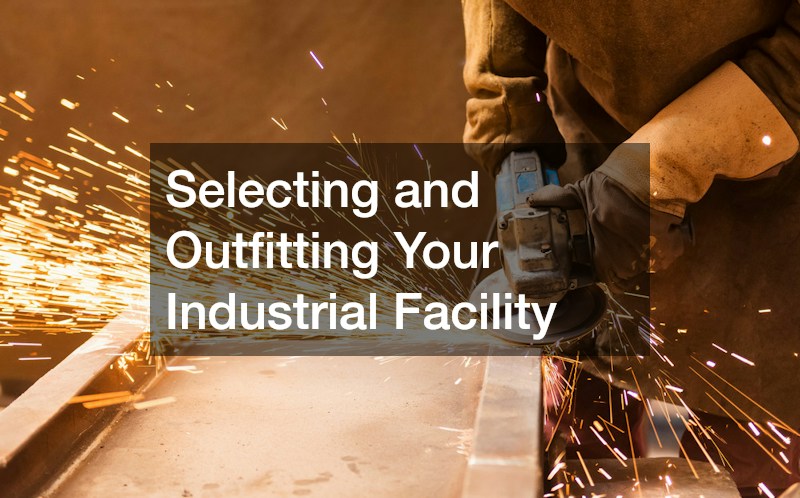
Your physical building dictates your workflow efficiency, maximum project size, and utility expenses. Choosing a space that accommodates future growth saves the immense expense of relocating heavy machinery within your first few years.
Evaluate Building Specifications and Power Infrastructure
A standard commercial warehouse rarely meets the structural and electrical demands of a heavy workshop without expensive retrofits. Inspect candidate properties with a licensed industrial electrician and structural engineer.
- Electrical Service: Ensure the building has 480-volt, three-phase power with sufficient amperage (ideally 800 amps or higher) to run multiple high-draw machines simultaneously.
- Clear Ceiling Height and Cranes: Look for at least 20 to 24 feet of clear height to accommodate bridge cranes, jib cranes, and tall vertical storage racks.
- Slab Thickness: Verify that the concrete floor is at least six to eight inches thick and reinforced to support heavy point loads from press brakes and plate rolls.
- Bay Doors: Wide, high-clearance grade-level doors and dedicated loading docks are essential for receiving 40-foot flatbed steel deliveries and shipping finished assemblies.
Design an Efficient Shop Floor Layout
Organize your floor plan to minimize material handling, which often accounts for a significant portion of non-value-added labor hours in custom manufacturing.
- Linear Material Flow: Arrange receiving racks, cutting stations, forming equipment, assembly bays, and shipping docks in a logical sequence so raw stock moves forward without backtracking.
- Dedicated Work Zones: Separate dirty processes like grinding and thermal cutting from clean assembly areas and precision inspection rooms to prevent cross-contamination of stainless steel and aluminum.
- Aisle Widths: Maintain wide, clearly marked lanes to allow safe maneuvering of heavy forklifts and side-loaders carrying long structural beams.
Upgrade Building Envelopes and Utility Systems
Older industrial buildings often suffer from poor insulation, inadequate ventilation, and deteriorating exteriors that can disrupt production or damage sensitive electronics.
- Compressed Air Distribution: Install a looped, high-capacity compressed air piping system with refrigerated air dryers to power pneumatic tools and plasma cutters reliably.
- Fume Extraction: Deploy source-capture fume arms and ambient air filtration units to maintain breathable air quality and comply with occupational exposure limits.
- Facility Weatherproofing: Inspect the building exterior thoroughly before moving in equipment, as leaky roofs can ruin expensive CNC electronics; applying modern commercial roof coatings can extend roof lifespan and improve indoor climate control during extreme weather.
Acquiring Core Machinery and Production Software

Equipment selection represents your largest initial capital outlay. Balancing capability, reliability, and maintenance support is critical when assembling your production line.
Prioritize Versatile Primary Processing Equipment
Start with dependable, multi-purpose machinery that covers the widest range of your target jobs rather than hyper-specialized machines that might sit idle.
- Cutting Systems: High-definition CNC plasma tables handle thick plate affordably, while outsourcing intricate thin-gauge work to an external laser cutting service can bridge the gap until your volume justifies buying a fiber laser in-house.
- Forming and Bending: A CNC hydraulic press brake with multi-axis backgauges is indispensable for accurate sheet and plate bending.
- Joining Stations: Outfitting multiple bays with industrial multi-process power sources ensures your team can execute high-strength welding fabrication across carbon steel, stainless steel, and aluminum alloys.
- Structural Processing: Horizontal band saws, ironworkers, and magnetic drill presses handle structural shapes, angle iron, and tubing efficiently.
Weigh New Versus Used Machinery Purchases
Buying brand-new equipment provides manufacturer warranties and the latest automation features, but strategic used purchases can preserve vital cash reserves.
- Buy New for High-Tech CNC: Modern fiber lasers and complex CNC machining centers benefit from factory installation, operator training, and ongoing software support.
- Buy Used for Heavy Mechanical Iron: Well-maintained manual lathes, heavy press brakes, and overhead cranes retain their structural integrity for decades and can often be acquired at auction for a fraction of retail cost.
- Verify Parts Availability: Before purchasing any used machine, confirm that replacement control boards, hydraulic seals, and wear parts are still actively supported by the manufacturer.
Implement Digital Estimating and Shop Management Software
Relying on spreadsheets and paper travelers leads to pricing errors, lost jobs, and missed delivery dates as order volume grows.
- CAD/CAM Suites: Invest in industry-standard 3D modeling and nesting software to unfold sheet metal parts accurately and maximize material yield per plate.
- ERP and Quoting Systems: Deploy enterprise resource planning software tailored to job shops to track material costs, calculate machine runtime, monitor work-in-progress, and analyze actual versus estimated job profitability.
Building a Skilled Workforce and Safety Culture
Your machinery is only as productive as the people operating it. In a tight labor market, attracting, training, and retaining top tradespeople is a primary competitive advantage.
Recruit Multi-Skilled Technicians and Supervisors
Look for candidates who combine technical proficiency with problem-solving abilities and an appreciation for blueprint accuracy.
- Cross-Trained Operators: Prioritize hires who can read complex engineering drawings, set up their own tooling, and perform basic preventative maintenance on their machines.
- Certified Welders: Verify structural and pressure-vessel welding credentials through practical hands-on weld tests during the interview process rather than relying solely on resumes.
- Shop Foremen: Hire an experienced lead supervisor early to manage daily floor scheduling, quality checks, and apprentice mentoring so you can focus on sales and strategy.
Establish Rigorous Workplace Safety Protocols
A single severe workplace injury can devastate an employee, trigger regulatory shutdowns, and spike your insurance premiums to unsustainable levels.
- Personal Protective Equipment (PPE): Enforce strict compliance with PPE rules, providing auto-darkening helmets, cut-resistant gloves, hearing protection, and stipends for certified safety toe boots for every person entering the shop floor.
- Lockout/Tagout (LOTO): Train all staff on strict energy-isolation procedures before clearing jams or performing maintenance on hydraulic and electrical machinery.
- Daily Toolbox Talks: Conduct brief, five-minute safety huddles at the start of each shift to review specific hazards associated with that day’s scheduled projects.
Institute Formal Quality Control Standards
Consistent quality builds your reputation and eliminates the costly rework that erodes shop profitability.
- First-Article Inspections: Require quality sign-off on the very first piece produced in any batch before allowing an operator to run the remainder of the order.
- Calibrated Metrology Tools: Maintain a climate-controlled inspection station equipped with calibrated calipers, micrometers, height gauges, and weld fillet gauges.
- Material Traceability: Keep Mill Test Reports (MTRs) organized by heat number so you can certify the chemical and mechanical properties of every alloy used in regulated projects.
Winning Clients and Scaling Operations
With your facility equipped and your team trained, your focus must shift toward building a predictable sales pipeline and establishing reliable vendor partnerships.
Build Direct Relationships with Key Buyers
Industrial sales rely heavily on trust, reliability, and technical competence rather than flashy advertising.
- Target Commercial Builders: Network directly with estimators and project managers at regional building contractors who constantly need reliable subcontractors for structural steel, stairways, and custom architectural metals.
- Focus on Specialized Sub-Niches: Winning repeat orders for niche scopes like commercial metal door installations or custom equipment guarding creates steady baseline revenue that covers your fixed monthly overhead.
- Offer Rapid Prototyping: Differentiate your business from sluggish corporate competitors by offering expedited turnaround on urgent replacement parts and prototype runs.
Develop a Strong Digital Presence and Outbound Strategy
Modern industrial buyers research potential vendors online before sending out Requests for Quotes (RFQs).
- Technical Website: Build a clean, fast website showcasing high-resolution photos of your completed projects, a detailed equipment list with maximum capacities, and a simple portal for uploading CAD files.
- LinkedIn Outreach: Connect directly with manufacturing engineers, plant managers, and purchasing agents in your target industries, sharing case studies that highlight how your shop solved difficult production problems.
- Vendor Registration: Register your company on regional procurement portals, state transportation vendor lists, and industrial sourcing directories to capture inbound RFQ traffic.
Manage Supply Chains and Cash Flow Discipline
Sustaining long-term growth requires disciplined financial management and resilient supplier networks.
- Dual-Source Critical Materials: Maintain active accounts with at least two competing metal service centers to protect your production schedule against stockouts and keep raw material pricing competitive.
- Require Progress Billing: For large, custom capital projects, negotiate milestone billing terms—such as 30 percent upon order placement, 40 percent upon material receipt, and 30 percent upon delivery—to fund material purchases without draining your credit line.
- Track Key Performance Indicators: Monitor shop utilization rates, on-time delivery percentages, scrap rates, and gross profit per labor hour weekly to spot operational inefficiencies before they impact your bottom line.
Expand into Specialized Capabilities
As your shop achieves steady profitability and builds cash reserves, strategic expansion into adjacent services strengthens client retention and opens higher-margin revenue streams.
Add Value Through Integrated Finishing and Assembly
Clients increasingly prefer single-source vendors capable of delivering turnkey assemblies rather than raw cut-and-welded parts.
- In-House Surface Finishing: Adding powder coating booths, sandblasting cabinets, or passivation tanks eliminates shipping delays to outside finishers and captures additional margin on every job.
- Full Metal Fabrication Integration: Combining precision sheet metal work, structural steel shaping, and mechanical assembly under one roof positions your metal fabrication shop as an indispensable Tier-1 supplier for major regional manufacturers.
Conclusion
Starting an industrial fabrication company demands careful planning, substantial capital investment, and an unwavering commitment to safety and precision. By identifying an underserved market niche, securing an appropriately powered facility, investing in versatile machinery, and cultivating a skilled workforce, you establish a strong foundation for long-term success. Consistent execution, disciplined cash flow management, and proactive client outreach will transform your startup into a cornerstone manufacturing partner within your regional economy.