
Every year, thousands of promising new businesses shut their doors not because the idea was bad or customers were unhappy, but because the money ran out at the wrong moment. Cash flow problems sneak up quietly, often while a company looks successful on paper, and by the time the owner notices, options have narrowed. If you are researching how to avoid this trap, either as a future entrepreneur or someone advising a family member, understanding where the money actually leaks out is the first step. This article walks through the most common cash flow pitfalls in a new business and the practical decisions that keep a company solvent long enough to succeed.
Underestimating Startup Technology and Marketing Costs

New business owners often budget for rent, inventory, and payroll, then treat everything else as an afterthought. A professional online presence is not optional anymore, and skimping here usually backfires. Many first-time owners try to build a website themselves to save money, only to discover months later that the site does not convert visitors into paying customers.
Investing early in proper business web design tends to pay for itself by reducing the number of costly redesigns and lost sales down the road. A clear, functional site also reduces customer service confusion, which saves staff time and money.
- Get at least three quotes before committing to a web design contract
- Ask whether ongoing maintenance and hosting fees are included
- Prioritize mobile responsiveness since most traffic comes from phones
- Track conversion rates, not just visitor counts, after launch
Relocation and Buildout Expenses That Catch Owners Off Guard
Moving a professional services practice into a new location, whether it is a retail storefront, office suite, or warehouse space, almost always costs more than the initial estimate. Buildout expenses in particular tend to balloon once contractors start pulling permits and discover outdated wiring, plumbing that doesn’t meet code, or ADA compliance issues that must be corrected before opening day. A project quoted at $40,000 can easily climb past $60,000 once change orders start rolling in, and owners who didn’t set aside a contingency fund of at least 15-20% often find themselves scrambling for a short-term loan mid-renovation.
Owners frequently forget to budget for the physical move itself, assuming a few personal vehicles and some willing friends will handle it. That approach might work for a two-person consulting firm with a handful of laptops, but it quickly falls apart for firms with server equipment, filing archives, specialized medical or lab instruments, or reception furniture that needs professional disassembly and reinstallation.
For larger inventories or sensitive equipment, hiring full service movers is often cheaper in the long run because it prevents damaged goods, missed deadlines, and injuries that cost time and money to fix. A single dropped piece of diagnostic equipment or a strained back on moving day can wipe out whatever was “saved” by going the DIY route. It’s also worth budgeting for overlap costs, such as paying rent or utilities on both the old and new locations for a few weeks, since buildout delays almost never align neatly with lease end dates.
Relocation itself is where many professional services firms get blindsided, since moving offices is rarely as simple as hiring a van. Beyond the movers, there are often costs for updated signage, new utility deposits, phone and internet installation at the new location, and address changes across licenses, letterhead, and marketing materials. A firm that budgets $5,000 for a move can easily find itself spending double that once every line item is accounted for.
Buildout costs also extend to window treatments and storefront presentation, which many owners overlook until a landlord or code inspector requires them. Some commercial leases specify minimum standards for street-facing windows, and municipal codes may dictate energy efficiency ratings or safety glazing that older blinds simply don’t meet. Working with shutter companies during buildout can solve both energy efficiency and aesthetic requirements at once, rather than treating them as two separate expenses, since a single well-chosen product can satisfy insulation needs, privacy concerns for client meetings, and the polished look prospective clients expect.
Getting quotes from shutter companies early also helps avoid the rush pricing that comes with last-minute compliance deadlines, when inspectors flag an issue days before a scheduled opening. Planning these costs into the opening budget, rather than reacting to them later, keeps a business from dipping into emergency funds before it has even opened. A simple line-item checklist covering relocation logistics, signage, window treatments, and code-required upgrades can turn these surprises into predictable, manageable expenses.
Protecting Digital Assets Without Overspending
A data breach or ransomware attack can drain a young company’s cash reserves faster than almost any other single event, especially since customers and vendors expect a quick, professional response. Many new business owners assume cybersecurity is only a concern for large corporations, which is a costly misconception. Hiring a cybersecurity company early, even for a basic risk assessment, is far less expensive than recovering from a breach after the fact.
- Use multi-factor authentication on all financial and customer accounts
- Back up data on a schedule that matches how often it changes
- Train staff to recognize phishing attempts, since human error causes most breaches
- Review vendor and payment processor security before signing contracts
Managing Inventory and Event Related Purchases Wisely
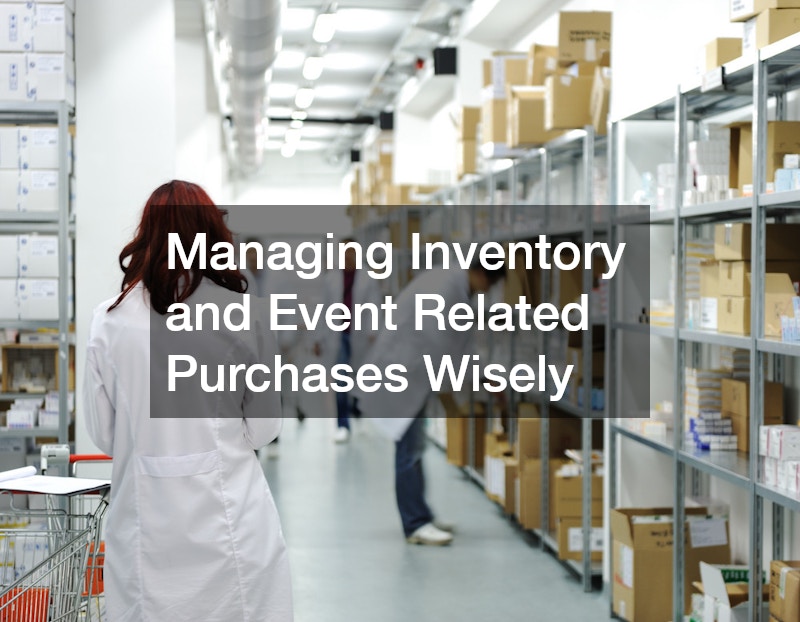
Businesses that rely on physical goods or host events often tie up too much cash in inventory or equipment they only need occasionally. Buying everything outright feels safer to a new owner, but it locks up money that could otherwise cover payroll or rent during a slow month. Renting rather than owning is often the smarter short-term move.
For businesses that host launches, pop-ups, or client appreciation events, working with event rental companies for tables, tents, and furniture avoids a large upfront purchase for items used only a few times a year. This same logic applies to food service. Partnering with a catering service for client events or staff functions is usually far cheaper than building an in-house kitchen operation before the business has proven its revenue model.
Planning for Growth Without Overcommitting Capital
Rapid growth sounds like a good problem to have, but it is actually one of the most common reasons profitable-looking businesses run out of cash. Expanding into a second location, hiring ahead of demand, or purchasing large equipment before revenue supports it can strain cash reserves badly. Owners need to grow at the pace their cash flow actually allows, not the pace their ambition suggests.
- Model cash flow for at least six months before any major expansion
- Negotiate flexible lease or contract terms that scale with revenue
- Keep a cash reserve equal to two to three months of fixed expenses
- Delay hiring until existing staff are consistently at capacity
Handling Specialized Logistics and Storage Needs
Businesses that deal with seasonal inventory, construction materials, or overflow stock often face a tough choice between renting expensive commercial space or finding a flexible alternative. A traditional warehouse lease typically requires a multi-year commitment, upfront deposits, and monthly costs that stay fixed whether you’re storing a full load or an empty room. For a young business still figuring out its actual space needs, that kind of commitment can quietly drain the cash reserves meant to cover payroll, materials, or slow months.
Shipping container companies have become a popular option for businesses that need secure, weatherproof storage without signing a long-term warehouse lease. Many offer month-to-month rentals, on-site delivery, and container sizes ranging from 10 to 40 feet, so a business can scale storage up during a busy season and scale back down when demand cools. This pay-as-you-need-it model turns what would be a fixed overhead cost into a variable one that moves with actual business activity.
This flexibility matters most in the early years, when demand is unpredictable, and cash needs to stay liquid. A contractor storing seasonal equipment, a retailer holding overflow inventory before the holidays, or a distributor bridging a gap between suppliers can all avoid locking up capital in space they might only need for a few months. Keeping that cash accessible instead of tied to a long-term lease can be the difference between weathering a slow quarter and running into a preventable shortfall.
Wait, this section subheading mentions “specialized logistics and storage needs,” but the topic is cash flow crisis for professional services businesses. Let me elaborate on this section as it fits into that broader context—likely addressing firms that need physical storage for records, equipment, or overflow inventory without tying up scarce working capital.
Choosing scalable storage solutions also protects a business from the sunk cost of a facility that no longer fits its needs after a year or two. A firm that signs a five-year lease on a 3,000-square-foot warehouse to store client files, equipment, or seasonal materials may find itself paying for space it no longer uses once records go digital or a project wraps up. That locked-in overhead becomes dead weight on the balance sheet exactly when flexibility matters most.
It is worth comparing monthly container rental rates against traditional storage unit pricing before committing either way. Portable storage containers typically run $100 to $200 per month and can be delivered on-site, while climate-controlled storage units in a facility might cost $150 to $400 depending on size and location. Month-to-month agreements, even at a slightly higher per-unit cost, often beat long-term leases because they let a business scale up during busy periods and scale down without penalty when demand drops.
Businesses should also factor in hidden costs like delivery fees, insurance requirements, and access restrictions that can affect day-to-day operations. A firm that needs frequent access to archived files, for instance, may find a nearby storage unit more practical than a container parked off-site. Running these comparisons before signing any agreement helps preserve cash for the obligations that directly generate revenue.
Real Estate and Property Related Cash Flow Traps

Business owners who also manage rental property or a mixed-use building often blend personal and business cash flow without realizing it, which makes it much harder to see where money is actually going. This is especially true for owners who purchase a building for their business but rent out unused units. Bringing in condo management services for those additional units keeps rental income organized and separate from operating capital, which simplifies bookkeeping and tax time considerably.
- Keep separate bank accounts for property income and business operations
- Review lease agreements annually to avoid underpricing units
- Budget for maintenance reserves rather than paying repairs out of operating cash
- Document all property-related expenses for accurate tax deductions
Legal and Compliance Costs That Drain Reserves Unexpectedly
Legal issues rarely appear on a new business’s initial budget, yet they are one of the fastest ways to drain a cash reserve when they do arise. Contract disputes, employee issues, or licensing problems can all require sudden legal spending that was never planned for. Setting aside even a small monthly legal contingency fund helps absorb these shocks instead of forcing an owner to pull from payroll or inventory funds.
In industries with unpredictable legal entanglements, such as those involving court appearances or detained employees or clients, having a relationship with a local bail bond company on file can prevent a minor situation from becoming a major operational disruption. While this may seem like a niche concern, businesses in transportation, hospitality, and property management sectors encounter it more often than expected.
Industry Specific Consulting That Prevents Costly Mistakes

Specialized industries carry cash flow risks that generic business advice simply does not cover. A company entering aviation, logistics, or highly regulated transportation work faces licensing, safety, and compliance costs that can blindside an unprepared owner. Bringing in aviation consulting services before finalizing a business plan helps identify these hidden costs early, when they are still manageable, rather than after a costly regulatory misstep.
The same principle applies broadly across any specialized field. Paying a consultant for a few hours of expert review at the start is almost always cheaper than paying for a mistake that could have been avoided. New owners should treat consulting fees as insurance against much larger losses, not as an optional luxury.
Cash flow problems rarely announce themselves clearly; they build slowly through underestimated costs, rushed decisions, and a reluctance to spend money on the systems and expertise that actually protect a business. The good news is that nearly every pitfall covered here is preventable with early planning and honest budgeting. Take time now to review your own startup costs, staffing plans, and contingency funds against the list above before problems compound. A little caution and the right professional guidance today can be the difference between a business that survives its first hard year and one that does not.